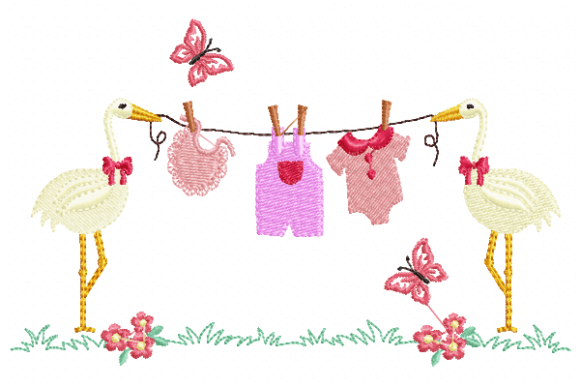
Clothes Line Embroidery Design
First Impressions of Clothes Line
The Clothes Line embroidery design exudes a soft, rustic charm that feels both nostalgic and modern. It’s the kind of design that immediately catches the eye in a craft fair booth, especially when displayed on neutral or pastel fabrics. The simplicity of the line work makes it feel approachable, while the subtle detailing adds a touch of elegance. This design is perfect for handmade products that aim to blend into a farmhouse or minimalist aesthetic.
Where Clothes Line Shines
When considering where Clothes Line would stand out, tote bags, aprons, and tea towels are natural choices. These items are common at craft fairs and handmade markets, and they offer a great canvas for this design. The embroidery machine design works well as a small accent on a tote bag or as a larger focal point on an apron. It also translates nicely to embroidered patches, which can be used as embellishments on jackets, backpacks, or even baby onesies.
On fabric pouches and pillow covers, Clothes Line adds a decorative touch that feels cohesive with other home goods. For a market bag or a handmade gift, this design offers a clean, professional look that appeals to buyers looking for quality and style.
Photography and Online Appeal
As an Etsy seller or digital seller, you’ll want to know how Clothes Line performs in online listings. The design is simple enough to photograph clearly, making it ideal for printable mockups and high-quality product photos. When placed on a white background or neutral fabric, it stands out without needing complex lighting or staging. This makes it easy to create visually appealing Etsy listings that attract attention.
For commercial embroidery, the design’s clarity and balance make it suitable for batch production. It doesn’t require overly intricate stitch density, which helps maintain efficiency and reduces the risk of errors during the embroidery process.
Practical Selling and Production Points
Clothes Line is a versatile machine embroidery design that can be adapted to various sizes and formats. As a small shop product, it’s easy to understand at a glance, making it ideal for customers who want quick, clear designs. Whether used as a large focal point or a small accent, it maintains its visual appeal across different applications.
However, there are some practical considerations. If you plan to use it on thick fabric or textured towels, you may need to adjust your stabilizer and hoop size to ensure the design stays in place. On dark fabrics, thread colors should be chosen carefully to avoid muddiness. Also, if the design includes small lettering or fine details, it may not hold up well at smaller sizes, so testing on scrap fabric is essential before mass production.
Careful-Use Notes for Embroidery Designers
Before finalizing your craft fair product, test the design on different fabric textures. Dense stitch areas could cause puckering, so using the right stabilizer is crucial. If you’re working with curved cap surfaces or small pouches, ensure the design fits within the hoop size and that the spacing between elements is appropriate.
For an embroidery file that will be used in multiple formats, check the stitch density and confirm that it’s compatible with your embroidery machine. If you’re planning to sell finished products commercially, always verify the licensing terms to ensure you have the rights to do so.
Impact on Visual Appeal and Buyer Engagement
Clothes Line has a strong visual presence that enhances the value of any handmade product. Its clean lines and subtle details make it feel premium, which can help justify higher pricing at a craft fair or boutique. For a booth display, this design adds consistency and cohesion, especially when used across multiple product types like tote bags, aprons, and pillow covers.
As a brand consistent design, Clothes Line can become a signature element in your product line. It invites customer attention and encourages engagement, whether they’re browsing in person or viewing your Etsy shop online. The design’s versatility ensures it remains relevant across different seasons and trends.
Embroidery Designer Notes
If you’re an embroidery business owner or a creative entrepreneur, start by creating at least one real mockup. This will give you a tangible sense of how the design looks in practice. Compare fabric colors to see which combinations enhance the design best. Check the thread contrast to ensure it pops against the background fabric.
Review the spacing of the design elements to prevent overcrowding, especially if you plan to use it on small items like patches or caps. Confirm the hoop size required for your machine and inspect the stitch density to avoid issues with fabric distortion. Always use the right stabilizer for the fabric type to ensure a smooth, professional finish.
Final Thoughts on Clothes Line
Clothes Line is a thoughtful embroidery design that offers both aesthetic and practical benefits for craft fair sellers and handmade shop owners. Its simplicity and adaptability make it a valuable addition to your design assets, whether you're creating tote bag design, apron embroidery, or tea towel embroidery. With careful consideration of fabric texture, thread colors, and production techniques, this design can elevate your small shop product offerings and attract a wider range of buyers.
As you prepare for your next craft fair, remember that the right embroidery file can make all the difference. Clothes Line is a solid choice that balances style, usability, and commercial viability—making it a smart investment for any embroidery business.